
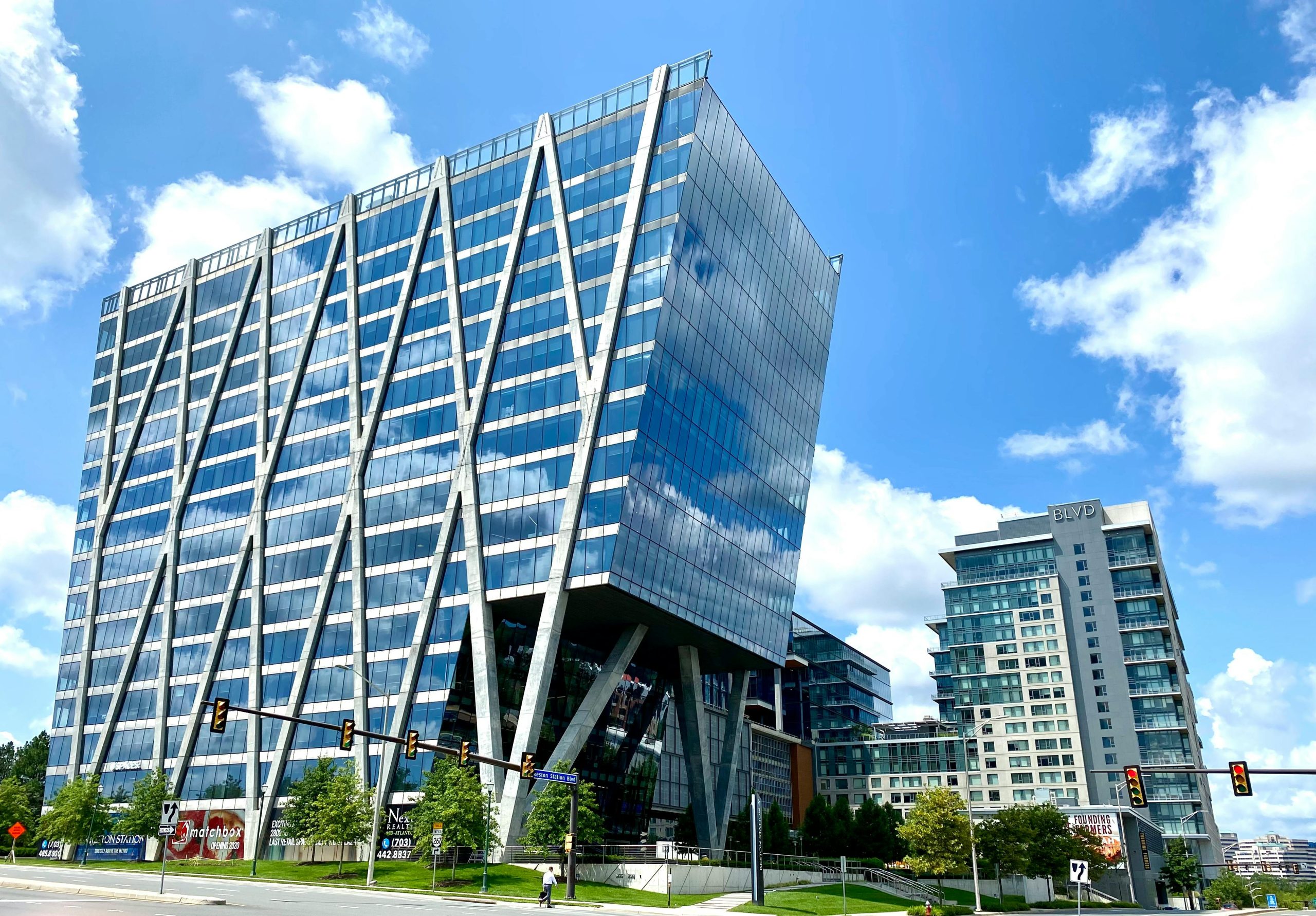
Why Smart Buildings Are a Strategic Investment, Not a Cost
Many residential and commercial property owners associate digitalization with Wi-Fi coverage and video surveillance. However, the market and tenants today expect smarter solutions—not as a luxury, but as a way to reduce operating costs, improve tenant experience, and increase property value. This raises an important question: What truly defines smart buildings? Has your property fully embraced digital technologies, or have you only implemented the basics?
Common Mistakes Property Owners Make in Smart Building Digitalization
One of the most frequent mistakes real-estate investors make is treating digital infrastructure as a cost at the end of the project, rather than a strategic asset that boosts the property’s market value.
What usually happens? Poor Wi-Fi coverage planning leads to tenant complaints and service issues. Without centralized control, smart devices become harder to manage, increasing operational complexity and maintenance costs. Many owners view IT systems as isolated expenses rather than long-term assets that improve operational performance and property value.
These missteps can significantly limit the long-term value and operational efficiency of your real estate investments.
My Perspective: Smart Buildings as a Business and Asset Strategy
In my experience smart building infrastructure isn’t just cables, routers and Wi-Fi — it’s a strategic foundation for better living and working environments. In industry projects, I’ve seen that the real opportunity lies in designing future-proof systems that adapt to emerging technologies such as IoT, AI-driven predictive maintenance, real-time analytics, energy optimization, and intelligent building management systems (BMS).
Lesson learned: The sooner these capabilities are incorporated into the building design, the easier and less expensive future upgrades become.
My Approach: Designing Smart Buildings for ROI, Efficiency, and Scalability
When I approach these projects, I don’t see infrastructure as routers and WiFi. I see it as a strategic asset that enhances both long-term value and day-to-day efficiency.
My approach starts with radio-frequency planning and wireless simulations, modeling exact signal conditions to secure seamless wireless coverage before any physical installation, while also defining a high-speed wired network designed for future growth. Next, I integrate lighting, blinds, HVAC, air quality monitoring, occupancy sensors, and acoustic controls into a centralized Building Management System (BMS). I also design the infrastructure with future trends in mind, including IoT devices, AI-driven predictive maintenance, building analytics, and energy optimization.
Once the required building services are defined, the underlying network architecture is designed to support them as separate and secure systems. Residential internet access, Building Management Systems (BMS), CCTV, VoIP, intercoms, digital signage, public announcement systems, and future smart building services all operate on the same physical infrastructure while remaining logically separated. This improves security, simplifies management, increases reliability, and makes it easier to introduce new services as the building evolves.
When leading a smart building initiative, my methodology relies on tight coordination between architects, contractors, and IT teams. Instead of selecting technologies without a clear business purpose, my approach ensures stakeholders align every major functionality with a measurable business objective. Post-deployment optimization ensures we continuously track performance and identify cost-saving opportunities. This ensures a transparent, measurable, and scalable outcome.
By applying this methodology, I transform infrastructure from a cost center into a growth enabler.
Case Study: Smart Building Digitalization in a Premium Residential Property
In one notable project for a premium residential building, I led a cross-functional team through the entire infrastructure lifecycle, from initial radio coverage simulation and hardware selection to the final integration of a centralized Building Management System (BMS).
The project delivered measurable business outcomes. Energy consumption fell by 18% through smart lighting and automated HVAC controls, while predictive monitoring reduced maintenance interventions by 36%. Residents gained reliable wireless coverage and remote control of key apartment functions, and the property achieved a significant competitive advantage compared with nearby developments, with estimated value uplift potential of up to 25%.
Explore More About Digitalization and Business Transformation
Recommended Reading
Industrial Wireless Network Optimization: A Strategic Framework for Plant Technology Selection
If you want to explore the broader principles of digital transformation, ROI metrics, or how a strategic approach can improve business, check out our blog posts. If you would like to discuss how similar approaches can be applied to your business, please feel free to visit the contact page.