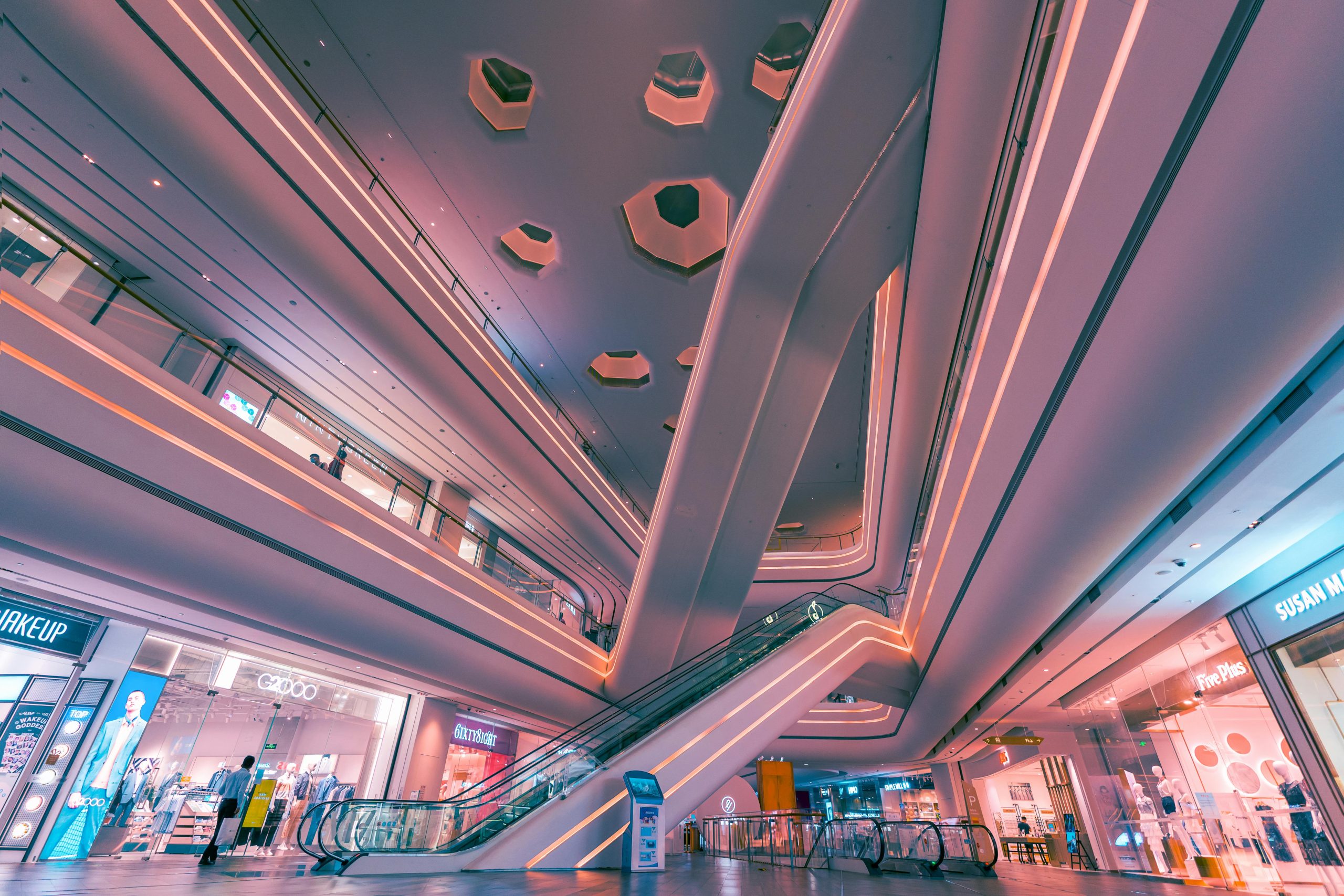
Digital Transformation of Shopping Malls: How IT Infrastructure Directly Impacts Revenue and Customer Experience

Digital transformation of shopping malls with smart IT infrastructure, analytics, and interactive customer experiences

Why Digital Transformation Is Now a Revenue Strategy for Shopping Malls

Many owners still see digital transformation of shopping malls as an operational expense rather than a business asset. They invest in internet connectivity and video surveillance, believing they have met modern market expectations. However, modern consumers expect much more — they demand a digital experience that is personalized, interactive, and seamlessly functional. Today’s shoppers expect much more. They want a personalized, interactive, and seamless digital experience. Digital transformation should therefore become part of the business strategy rather than an afterthought. Instead, the strategy shall be designed as strategic tools to increase footfall, enhance shopper engagement, and optimize operational costs.

Common Digital Transformation Mistakes in Shopping Malls

Across the retail and commercial property industry, digitalization failures follow a predictable pattern when owners treat IT infrastructure as a basic technical item and cost, instead of using it as a direct growth enabler. The primary breakdown happens when management deploys technology simply to check a box, completely failing to see how integrated networks drive customer retention and cross-sell opportunities.
This approach creates operational problems across the entire shopping mal. For example, deploying Wi-Fi networks without professional radio planning inevitably creates frustrated visitors stuck in wireless dead zones.
On a larger scale, the property ends up operating disconnected systems where smart surveillance, digital advertising displays, and CRM databases function in isolated silos. When your core applications cannot talk to each other, you prevent valuable data exchange. As a result, you completely ignore the potential of additional services like location-based services.
Missing these real-time engagement opportunities means your retail tenants lose out on valuable in-store conversions. Ultimately, these technical gaps and weak decision compound quietly in the background. This resulting in lost rental revenue, lower customer loyalty, and higher operating costs.

Executive Perspective: Digital Infrastructure as a Strategic Asset for Long-Term Profitability

A digital transformation of shopping malls should never be designed just to keep the lights on. Instead of treating network wiring as a hidden utility, leadership must view it as an integrated, scalable platform that directly supports retail tenant sales. When you connect the physical property with a digital layer, technology stops being an administrative expense. Instead, it starts driving data-driven decisions that protect your asset value.
In my practice, the main rule for commercial real estate is simple. The earlier you plan digital infrastructure during the development phase, the more money you save. Treating IT systems as a strategic investment from day one determines the long-term profitability of the property. Early planning allows you to avoid expensive structural re-work, drastically reduces ongoing maintenance costs, and completely future-proofs the building.

My Approach and Case Study: Modernizing Shopping Mall Infrastructure

When leading a commercial property transformation, my goal is to turn digital infrastructure into a business enabler. Large-scale retail modernization requires coordination between technical teams, mall operations, and tenant stakeholders. To minimize retail disruptions during the construction phase, I use a structured, phased approach to connect every technology investment directly with business KPIs. 
My approach is practical and business-driven. I start with strategic alignment meetings to connect all technology budgets directly with your business goals, and then I use simulation and modeling to test everything under real daily conditions. During the project, I keep teams and mall management working together while splitting the installation into phases to avoid disrupting daily business. Finally, I continue checking the system after launch to improve performance and find extra ways to save money, ensuring clear results and room for future growth.

Let’s look at a massive digital transformation I led for a shopping center footprint. My team managed the entire infrastructure lifecycle, from initial radio coverage to final digital system deployment.

To build a unified digital backbone capable of handling peak traffic, the infrastructure layout supports five core pillars:
  • Smart Wi-Fi and Radio Planning: We simulated real-use conditions to ensure complete wireless coverage, eliminating the network dead zones that frustrate tenants and visitors.
  • Integrated Management Platforms: We consolidated separate hardware networks—including smart video surveillance, secure VoIP telephony, and digital advertising displays—into a single analytics platform.
  • Location-Based Services: Enable retail tenants to use digital signage and real-time location data, allowing them to deliver targeted product offerings to the visitors.
  • Enterprise-Grade Data Centers: We engineered a robust, high-availability data core to ensure all digital services run secure and reliable.
  • Future Retail Readiness: We built the infrastructure with scalability in mind, preparing the property to easily adopt emerging trends like smart retail robotics, data analytics, and AI-powered shopping assistants.

Expected Business Outcomes and Project Impact in Digital Transformation of Shopping Mall Project

We validated this approach during the post-deployment optimization phase. By replacing legacy, disconnected systems with a centralized IT infrastructure, the property achieved a highly optimized asset position. The mall experienced a clear increase in customer engagement, a much better distribution of foot traffic across shopping zones. Additionally, the project delivered substantial operational savings through centralized security and network management.
Based on my analysis of similar retail modernization projects, commercial operators who implement this disciplined capital strategy can expect highly measurable business outcomes:
    • Up to 25% Increase in Visitor Engagement: Integrating interactive digital services and location-based promotions keeps shoppers inside the building longer.
    • Up to 20% Reduction in Operational Costs: Consolidating security databases, networks, and building software under a single management team eliminates duplicated vendor fees.
    • Higher Store Conversion Rates: Giving retail tenants the tools to send real-time promotions directly boosts in-store sales and protects your long-term rental margins.
    • Improved Tenant Satisfaction Scores: Upgrading the building infrastructure provides retail brands with maximum network reliability, reducing system downtime and operational friction.

Ultimately, this case study shows that digital transformation is about far more than upgrading infrastructure. With the right governance and planning, a shopping mall becomes a connected retail ecosystem that creates long-term value for investors, tenants, and visitors.
We didn’t realize how much a truly optimized IT backbone could influence shopper behavior until we saw the shift in engagement, foot traffic, and tenant satisfaction.
Member of Strategic Operations Board

Explore More About Digitalization and Business Transformation

Recommended Reading

WebPortal B2B Order Automation

Smart Buildings in Action: How Digital Infrastructure Increases Property Value

If you want to explore the broader principles of digital transformation, ROI metrics, or how a strategic approach can improve business, check out our blog posts. If you would like to discuss how similar approaches can be applied to your business, please feel free to visit the contact page.

Scroll to Top