Cybersecurity & Fraud Prevention: Best Practices for SMBs

cybersecurity and fraud prevention illustration for SMBs

Why SMBs Are Now Prime Targets for Cyber Threats

In today’s hyper-connected digital landscape, small and medium-sized businesses (SMBs) are no longer “invisible” to threats and fraud and should work on cybersecurity and fraud prevention in order to decrease small business cybersecurity risks. In fact, they’ve become preferred targets because threat actors know SMBs often lack the cybersecurity infrastructure of large enterprises — yet manage equally sensitive data.

According to the Verizon Data Breach Investigations Report, over 40% of cyberattacks in the past two years were directed at SMBs. Data loss, identity theft, and ransomware are no longer hypotheticals — they’re threats that can damage your reputation, erode customer trust, and jeopardize financial stability.

Common Cybersecurity and Fraud Mistakes SMBs Must Avoid

Despite their good intentions, many SMBs repeatedly fall into the same traps regard cybersecurity and fraud:

  1. The Illusion of Antivirus as a Strategy
    Installing a basic antivirus isn’t a strategy — it’s a false sense of security.

  2. Why Employees Remain the #1 Attack Vector
    Phishing and social engineering are the main entry points. People are the weakest link.

  3. Access Control Gaps That Lead to Data Leaks
    Everyone can access everything — from contracts to salaries and customer data.

  4. Poor device and network control
    Lack of visibility over what connects to your systems, when, how, and from where.

  5. Reactive instead of proactive
    Cyber incidents are addressed after they happen — rather than being prevented.

  6. Ransomware disproportionately affects SMBs
    While it contributes to 39% of data breaches in large organizations, it’s involved in 88% of SMB data leaks.

My Approach: A Practical Cybersecurity Framework for SMBs (Based on NIST)

As a fractional CTO and advisor, I apply SMB cybersecurity framework based NIST Cybersecurity Framework to help clients implement a practical, low-friction model for digital protection. Here’s how we do it:

✅ Risk-first mindset
We don’t start with tools — we start with what’s most valuable: contracts, financials, and client data.

✅ Zero Trust principles
Every user, system, and device must earn access. No default trust.

✅ Employee education
Interactive workshops on spotting scams, fake emails, and suspicious links.

✅ Incident Response Plan
Clear protocol on what to do when things go wrong — who acts, how, and what’s documented.

✅ Simulation
Backup drills, and recovery simulations are essential — not optional.
Case Study: How an SMB Prevented a Major Cyber Breach

A SMB company with 50 employees noticed a suspicious login attempt on their router and attack on CEO’s mail. I was brought in to evaluate the situation.

What We Found During the Initial Assessment

  • Weak password policy (same password used for 7 services)

  • No multi-factor authentication (MFA)

  • All employees had unrestricted access to Google Drive with confidential information

What We Implemented in Three Weeks

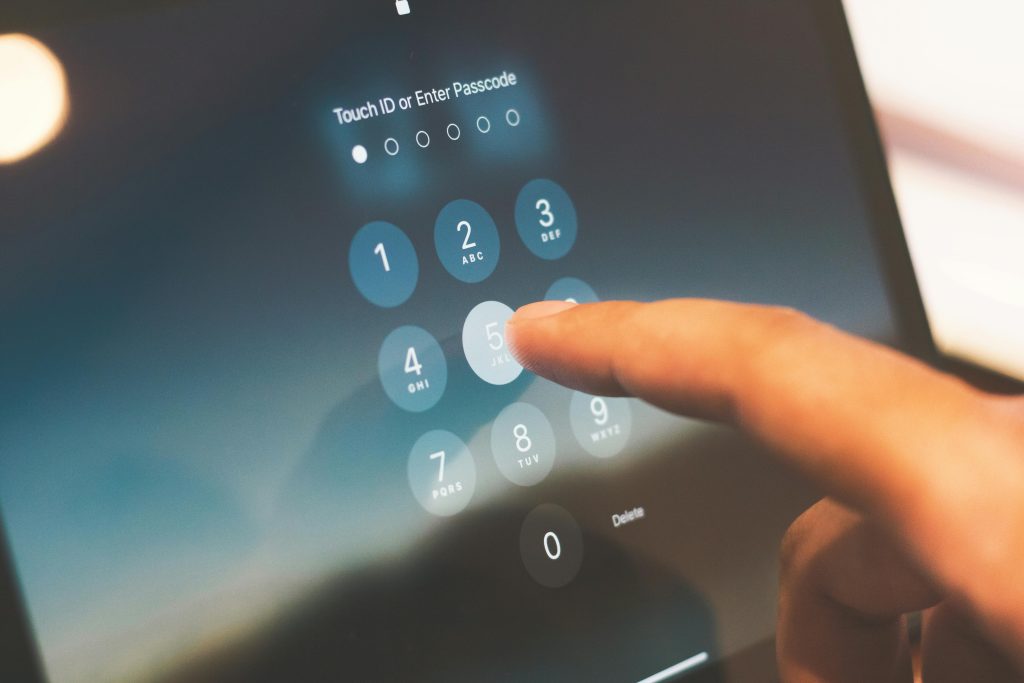
  • MFA across all accounts

  • Role-based access segmentation and privilege controls

  • Internal usage guidelines for digital tools

  • Staff training (with knowledge testing)

  • A practical incident response plan

Final Business Impact

Result: Reduced operational risk, stronger data protection, and readiness for ISO certification.

employee enabling MFA in a small business environment

Key Benefits of Strong Cybersecurity for SMBs

✔ Proactive protection of digital assets
✔ Increased trust from clients, partners, and investors
✔ Lower operational and compliance risks
✔ Elevated IT governance and internal discipline
✔ Better eligibility for deals with enterprise clients and public sector buyers

Explore More About Digitalization and Business Transformation

If you want to see how different projects have improved processes, optimized costs, and increased efficiency through digital transformation, visit our digital outcomes section. If you see challenges in your business or would like to discuss different digital solutions, please feel free to visit the contact page.

Scroll to Top